Love the character of Sunset Heights or Kern Place but worry about old wiring, adobe walls, or permits? You are not alone. Central El Paso’s historic homes are beautiful and solid, yet they call for a different kind of due diligence. In this guide, you will learn what to inspect, how permits and historic rules work, how to finance repairs, and how to plan timelines and budgets with confidence. Let’s dive in.
Why Central El Paso homes stand out
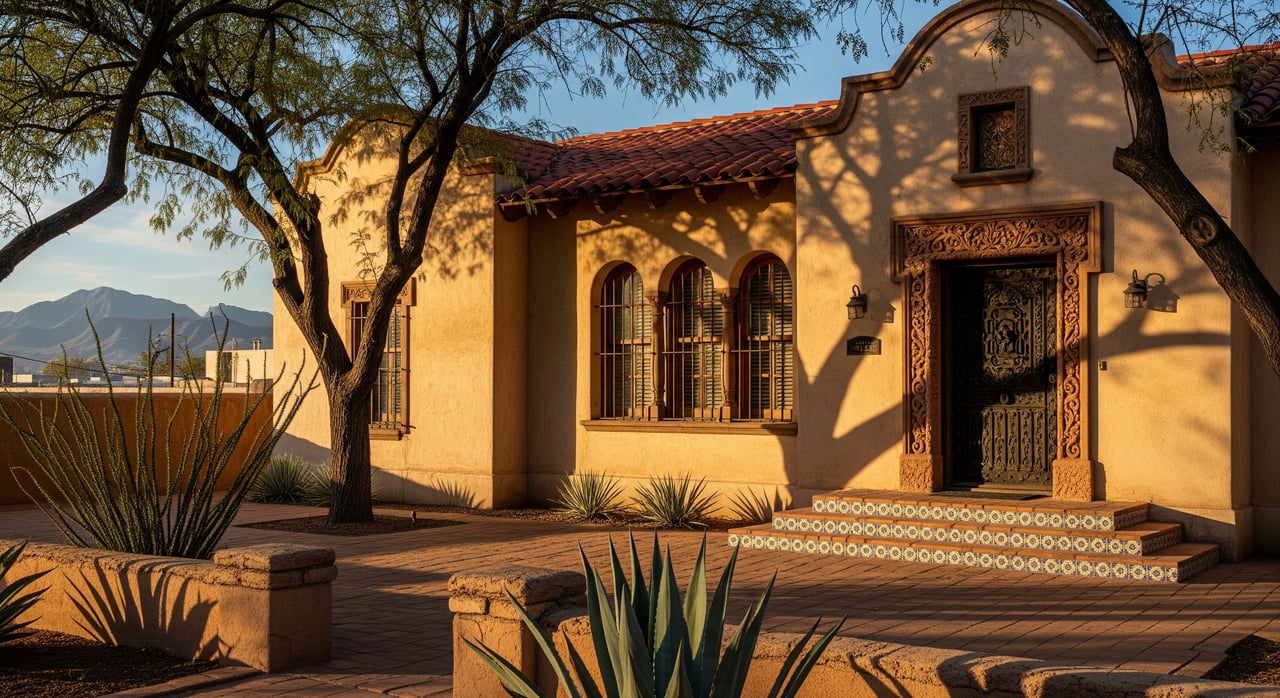
Homes near UTEP, Sunset Heights, and parts of Kern Place often date from the late 1800s through the 1950s. Many are within local historic districts or are designated landmarks. This status can shape what you are allowed to change on the exterior and how you approach repairs.
Common features and materials
You will see masonry and brick, stucco over masonry or wood framing, and some adobe or adobe‑influenced construction. Original windows, plaster walls, hardwood floors, transom windows, and masonry chimneys are common. Older systems may include cloth‑insulated wiring, early service panels, galvanized supply lines, cast‑iron drains, and finishes that could contain lead paint or asbestos in homes built before 1978.
Local climate and soil factors
El Paso’s strong sun can age paint and stucco faster. Monsoon season can push water into walls and foundations if drainage and flashing are not correct. Regional soils can move and affect foundations over time, so plan for a structural review if you see cracks or uneven floors.
Your first due diligence steps
Start broad, then go deep where needed. A skilled general inspector familiar with older homes helps you map the next steps.
Order these inspections early
- General home inspection to assess roof, structure, plumbing, electrical, HVAC, and interiors
- Sewer camera scope for older clay or cast‑iron lines
- Termite and wood‑destroying organism inspection
- Lead paint and asbestos testing for homes built before 1978, followed by lead‑safe practices under the EPA Renovation, Repair and Painting Rule
When to call specialists
- Structural engineer if you see settlement, sagging floors, large cracks, or past foundation work
- Masonry or adobe/stucco specialist to check cracks, moisture, and appropriate repair methods
- Licensed electrician to evaluate service size, panel safety, and ungrounded circuits
- Licensed plumber to test water pressure, inspect supply and drain lines, and confirm water heater health
- Roofing specialist to review flashing around chimneys, underlayment, and ventilation
- Indoor air quality or mold assessor if there is a history of leaks or odors
Sequence tip: Complete the general inspection, sewer scope, termite, and lead/asbestos tests early. Bring in engineers and specialty trades as soon as major issues are flagged.
Permits and preservation rules in El Paso
If a property is in a local historic district or is a designated landmark, exterior changes often require a Certificate of Appropriateness through the City’s Historic Preservation Office and Historic Landmark Commission. Interior work that does not alter the exterior may be unregulated, but always confirm requirements first.
Many projects are guided by the Secretary of the Interior’s Standards for Rehabilitation, which outline best practices for preserving historic character. Review the Standards for Rehabilitation if you plan exterior or character‑defining work.
What this means for you:
- Expect permits for structural, electrical, plumbing, and mechanical changes
- Request permit history, prior approvals, and any historic designation documents from the seller
- Build in time for historic review and permitting, which can add weeks or months depending on scope
Financing historic homes
You can purchase with a standard conventional loan if the house is in good condition. If it needs work, renovation loans can bundle repair costs into your mortgage.
- FHA 203(k) Rehabilitation Mortgage Insurance combines purchase and rehab funds. Learn more from HUD’s 203(k) program
- Fannie Mae HomeStyle Renovation is a conventional option that finances approved renovations
- Freddie Mac CHOICERenovation offers similar conventional financing for repairs
- Some lenders offer VA renovation options for eligible veterans
How renovation loans change timelines
Renovation loans require contractor bids, a defined scope, and an appraisal based on the as‑completed value. Funds are held in escrow and released as work progresses. Expect added time for planning, approvals, and lender reviews.
Insurance and appraisal planning
- Ask insurers for quotes early. Some carriers require system updates before issuing a policy. Confirm replacement‑cost coverage so historic materials and craftsmanship can be restored if needed
- If the property is in a FEMA flood zone, lenders may require flood insurance. Check the FEMA Flood Map Service Center to confirm your risk
- Appraisers consider functional obsolescence and the cost to cure outdated systems. For renovation loans, they value the home based on the planned scope, so provide accurate bids and specifications
Tax credits and local incentives
The Federal Historic Rehabilitation Tax Credit is generally for income‑producing properties, not owner‑occupied primary residences. Review the program at the National Park Service tax incentives page. Texas programs for owner‑occupied historic homes are limited. Check with the Texas Historical Commission and the City of El Paso for any local incentives or abatements that may apply.
Budget, timeline, and negotiation tips
- Build a smart contingency. Older homes hide surprises. A common practice is to set aside 10 to 20 percent of renovation costs for unforeseen issues
- Get multiple, detailed bids for major work before finalizing financing
- Use inspection findings to negotiate repairs, credits, or price adjustments. If using a renovation loan, include contractor scopes and costs with your offer to support the appraisal and timeline
- Expect longer due diligence. Order specialty inspections quickly and allow time for historic review if exterior changes are planned
Questions to ask the seller early
- When were the roof, HVAC, electrical panel, and plumbing last updated
- Are there records of foundation work or structural repairs
- What permits were pulled for past renovations, and are there final inspections
- Is the property in a local historic district or subject to preservation easements
- Any history of water intrusion, termite treatment, or mold remediation
Build the right local team
- Real estate agent with historic and Central El Paso experience
- Home inspector versed in older construction
- Structural engineer, as needed
- Preservation architect or contractor with masonry or adobe expertise
- Licensed electrician and plumber
- Lead and asbestos testing firm, and licensed abatement contractor if needed
- Title company or real estate attorney to review easements and restrictions
Next steps
If you are drawn to the charm of Central El Paso’s historic homes, plan the process like a project: inspect early, confirm permitting and historic status, pick the right financing, and leave room for contingencies. With a clear plan and the right team, you can protect the character you love while updating what you need.
Ready to tour homes and map out inspections, permits, and financing options that fit your goals? Reach out to Erica Barnaby - Homes By Harshaw. Let’s make your next move, together.
FAQs
What makes a home “historic” in Central El Paso
- Many homes around Sunset Heights, Kern Place, and the UTEP area were built from the late 1800s to mid‑century and may sit in local historic districts or hold landmark status that affects exterior changes.
Which inspections are most important for a 1930s home
- Start with a general inspection, sewer scope, termite check, and lead/asbestos testing, then add structural, electrical, plumbing, and masonry or adobe specialists as needed.
Do I need approval to replace windows in a historic district
- Often yes for exterior changes. Plan for a Certificate of Appropriateness and align work with the Secretary of the Interior’s Standards.
How do renovation loans work for historic homes
- FHA 203(k), HomeStyle, and CHOICERenovation can finance repairs within the mortgage. They require contractor bids, a defined scope, and an as‑completed appraisal.
Where can I check flood risk before I buy
- Use the FEMA Flood Map Service Center to see if the property lies in a flood zone that could require flood insurance.